Roxann Sinclair
11 mins read
9 mins read

With over five years of experience in logistics, fulfillment, and cross-border shipping, Ahmed Sabah develops tailored logistics solutions for businesses of all sizes, from small eCommerce brands to large enterprises. He is recognized for his hands-on support, helping clients streamline operations, reduce costs, and improve efficiency while simplifying complex shipping processes.
The eCommerce industry is evolving fast. But rising shipping costs, evolving delivery expectations, and the need to scale fulfillment operations are pushing traditional logistics strategies to their limits. Many eCommerce businesses are rethinking their logistics strategy to include:
3PL solution providers, through their human-tech collaboration, have evolved to optimize supply chain logistics by offering advanced technology, automation, and data-driven services. eCommerce companies embracing these solutions continue to see a significant reduction in their operational complexity. This allows them to scale, maintain service quality, and ensure cost-efficiency easily.
In this blog, we will explore how 3PLs are redefining modern supply chain management, allowing businesses to meet shifting consumer fulfillment expectations with ease.
The core difference lies in scalability and intelligence. Traditional logistics are often referred to as a fixed-asset model because here:
In contrast, a modern 3PL services company is a variable-cost model that empowers e-commerce by driving growth. Let’s compare the two logistics models based on common parameters.
| Traditional Logistics Vs. 3PL Solutions | ||
| Feature | Traditional Logistics | Modern 3PL Solutions |
| Cost Structure | Fixed & High: Rent, utilities, and labour salaries must be paid regardless of order volume. | Variable & Scalable: A "pay-as-you-go" model for shelf space and "pick & pack" labour. |
| Workflow | Manual & Error-Prone: Reliance on manual data entry, maintaining physical spreadsheets, and human double-checking. | Automated & Synced: Direct API integrations with eCommerce platforms like Shopify and Amazon help sync orders and inventory in real time. |
| Shipping Power | Isolated: Limited bargaining power with couriers due to lower individual volumes. | Aggregated: Enterprise-level rates secured by bundling volume from thousands of brands. |
| Carrier Networks | Fragmented: Managing multiple carriers with varying speeds and rates adds complexity and increases costs. | Unified: A single, tech-forward dashboard provides access to a global, carrier-neutral network with optimized routing. |
| Growth Capacity | Static: Scaling requires new leases and more hiring, which takes months of planning. | Elastic: Instantly handles volume surges without needing additional infrastructure. |
Modern eCommerce fulfillment is increasingly becoming centered around 3PLs because the tech-based services offered help to:
Let’s look at the key 3PL services that help achieve business goals and drive eCommerce growth.
Storing, tracking, and managing product inventory while catering to fluctuating market demands is tough. eCommerce providers must invest in costly facilities, technology, and equipment. This negatively impacts their business by:
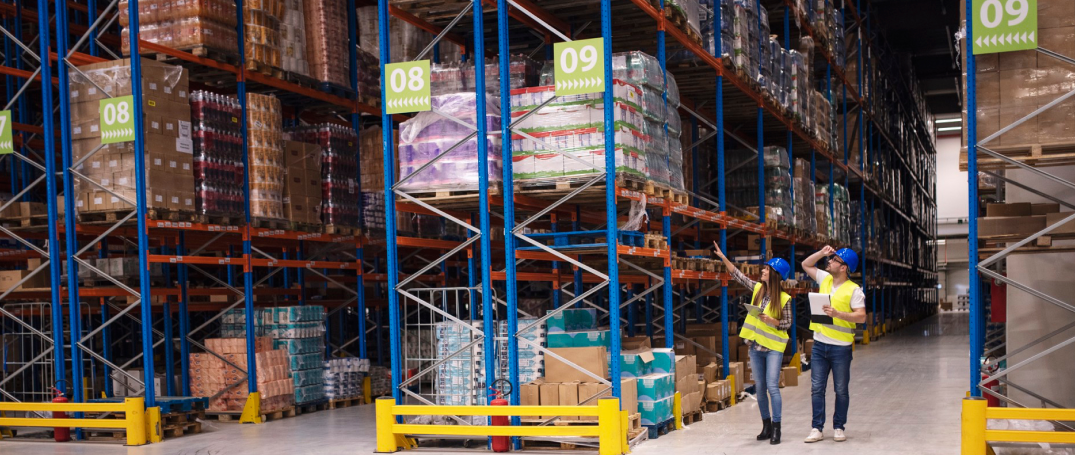
Expertly managed 3PL services help overcome this by eliminating in-house oversight through improved warehouse operational efficiency. They implement advanced technologies such as warehouse management systems and robotic automation to optimize warehouse workflows and reduce manual labor.
Modern eCommerce 3PL logistics services ensure advanced fulfillment through their distributed fulfillment networks. A decentralized network allows eCommerce businesses to position inventory closer to customers and meet demands for faster, more accurate order processing and same-day/next-day deliveries.
3PL providers help meet these requirements using niche expertise involving:
Many 3PL solution providers leverage advanced routing algorithms and freight consolidation strategies to reduce costs and optimize delivery times.
3PL providers like eShipper offer a wide variety of shipping options such as courier, postal, freight, and same-day delivery, along with advanced features like:
Partnering with 3PL providers enables eCommerce businesses to leverage their innovative transportation initiatives. Shipping becomes more cost-effective for them.

While these advantages justify why brands are shifting to outsourced logistics, the actual implementation requires a structured approach. For a deeper look at the operational mechanics, explore our ultimate guide to using a 3PL partner for e-commerce fulfillment.
eCommerce success hinges on logistics, but managing them at scale can be overwhelming. From inventory management to coordinating fulfillment and scaling during seasonal spikes, every step presents challenges that affect process efficiency. But partnering with a 3PL services company can save you from these hassles. Here are some of the key benefits that you stand to gain.
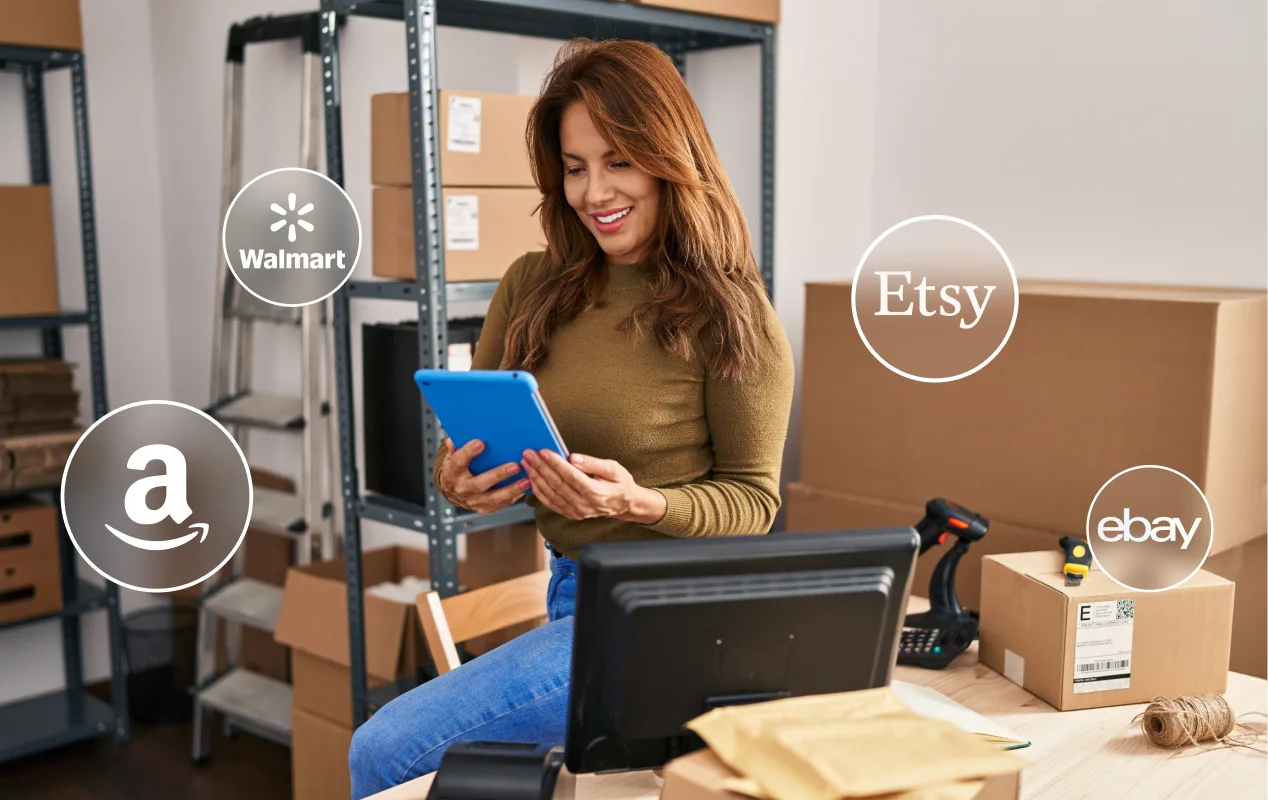
When orders from eCommerce providers like Shopify, Amazon, and eBay aren't synced in real-time, it results in “platform friction.” This is a common pain point for eCommerce brands. eCommerce 3PL logistics services offer native integrations that act as a single source of truth for:
Traditional packing relies on human "best guesses," which often lead to oversized boxes and excessive filler. 3PL solutions with their AI-powered predictive abilities offer intelligent cartonization that:
In traditional logistics, reporting is done after fulfillment, more like an afterthought. However, 3PL solutions provide real-time reporting instead of delayed insights through:
Warehouse management requires substantial investment in real estate, equipment, software, and automation. Partnering with a 3PL service provider eliminates this by giving you access to:
This ensures investment-free automation, hassle-free fulfillment, and improved customer satisfaction without putting in additional resources.
Today, reverse logistics is more of a marketing opportunity than a logistics failure. 3PL providers drive this transformation by:
As sustainability gains momentum across industries and services, it is also reshaping how 3PLs operate. Across Canada, warehouses and fulfillment providers are implementing measures to reduce energy consumption, eliminate waste, and make their processes more eco-conscious.
Many are also introducing carbon-neutral shipping options to help offset emissions.
For eCommerce businesses, this helps them lower environmental impact, improve operational efficiency, and have strong brand positioning among eco-conscious consumers.
The above advantages make 3PLs the most sought-after service for eCommerce today. This is further corroborated by the Mordor Intelligence Canada 3PL Market Report: 2025 to 2031, which gives clarity on the current status and predicts future growth for the Canadian 3PL market. Here are the key highlights of the report.
| Market Valuation | The Canadian 3PL market was valued at USD 19.84 billion in 2025. | ||
| Future Projection | Reach USD 20.70 billion by 2026, and USD 25.59 billion by 2031. | ||
| Growth Rate | At a consistent CAGR of 4.33%. | ||
| E-commerce Dominance | Almost 27.10% of the total 3PL market share by end-user in 2025. | ||
Selecting a 3PL services company is a strategic decision. Unfortunately, not all 3PL logistics providers in eCommerce can scale your business from 100 to 10,000 orders/day. Ask the following questions when evaluating potential 3PL partners:
Red flags to avoid when selecting a 3PL solutions provider:
The right provider will meet immediate needs and prepare your eCommerce business for sustained, long-term growth, giving you a stronger foundation as you scale.
The transition from traditional logistics to a tech-enabled eCommerce 3PL logistics services model is a survival requirement for eCommerce brands in 2026. In the traditional model, logistics is a "cost center" that eats into margins as you scale. In the modern 3PL model with its total operational agility, logistics becomes a competitive differentiator.
So, the question is no longer about whether eCommerce brands should evolve, but how quickly they can integrate the tools required to lead the market.
A. eCommerce brands adopt 3PL logistics for the benefits they gain, like:
- Automated shipping and fulfilment tasks for increased efficiency and growth
- Cutting costs through bulk shipping rates and optimized storage
- Offering scalability for busy seasons without extra hires
- Providing access to real-time tracking
Widespread warehouse networks for additional reliability and customer reach
A. The USP of 3PL solutions – they can speed up delivery, leading to increased customer satisfaction by
- Leveraging warehouses near customers
- Smart route optimization
- Carrier deals for faster options like next-day delivery.
eCommerce businesses adopting 3PL report higher satisfaction with reliable tracking and quick deliveries. Also, fewer delays mean stronger reviews and repeat buys.
A. Long-standing partnerships get built only when you select the right 3PL services company. This can be achieved by selecting partners that:
- Enable growth, scalability, and delivery speed through global and local reach
- Integrate easily with other eCommerce platforms
- Offer transparent pricing, on-time delivery stats, and reduce errors
- Come with updated tech features, industry know-how, and offer consistent support
- Ensure returns support and eco-friendly options
A. These services offer shared resources, process automation, and affordable shipping rates. Also, 3PL solutions adopt a scalability-first approach to handle volume spikes instantly. This allows eCommerce businesses to grow without overheads.
A. The core USP of 3PL solutions is their tech integration, due to which:
- API links help sync orders and inventory in real-time
- WMS/TMS automates picking and routing
AI forecasting and predictive analytics also help prevent stockouts. Dashboards provide insights that significantly reduce errors, enabling smart scaling.