Mikaeel Dewji
14 mins read
11 mins read

Khalil Ladak is a logistics consultant at eShipper, specializing in zone-skipping strategies, multi-carrier optimization, and preferred shipping rates. He helps brands simplify operations, achieve cost efficiencies, and build scalable shipping programs that support long-term business growth.

The global retail eCommerce is expected to reach USD 9 trillion by 2030, and the carbon emissions resulting from eCommerce logistics are expected to reach 25 million CO2 metric tons by 2030.
This is a shocking reality. We must break this link. The need today is to achieve eCommerce growth without the shadow of carbon emissions. This means making sustainability an integral part of operational decisions in logistics and fulfillment by implementing green solutions across warehousing, packaging, and returns.
In this blog, we debunk an expensive myth in eCommerce logistics that says opting for sustainability incurs higher costs. We will also show you how opting for environmentally friendly shipping methods reduces operational costs, wins customer loyalty, and future-proofs your eCommerce brand.
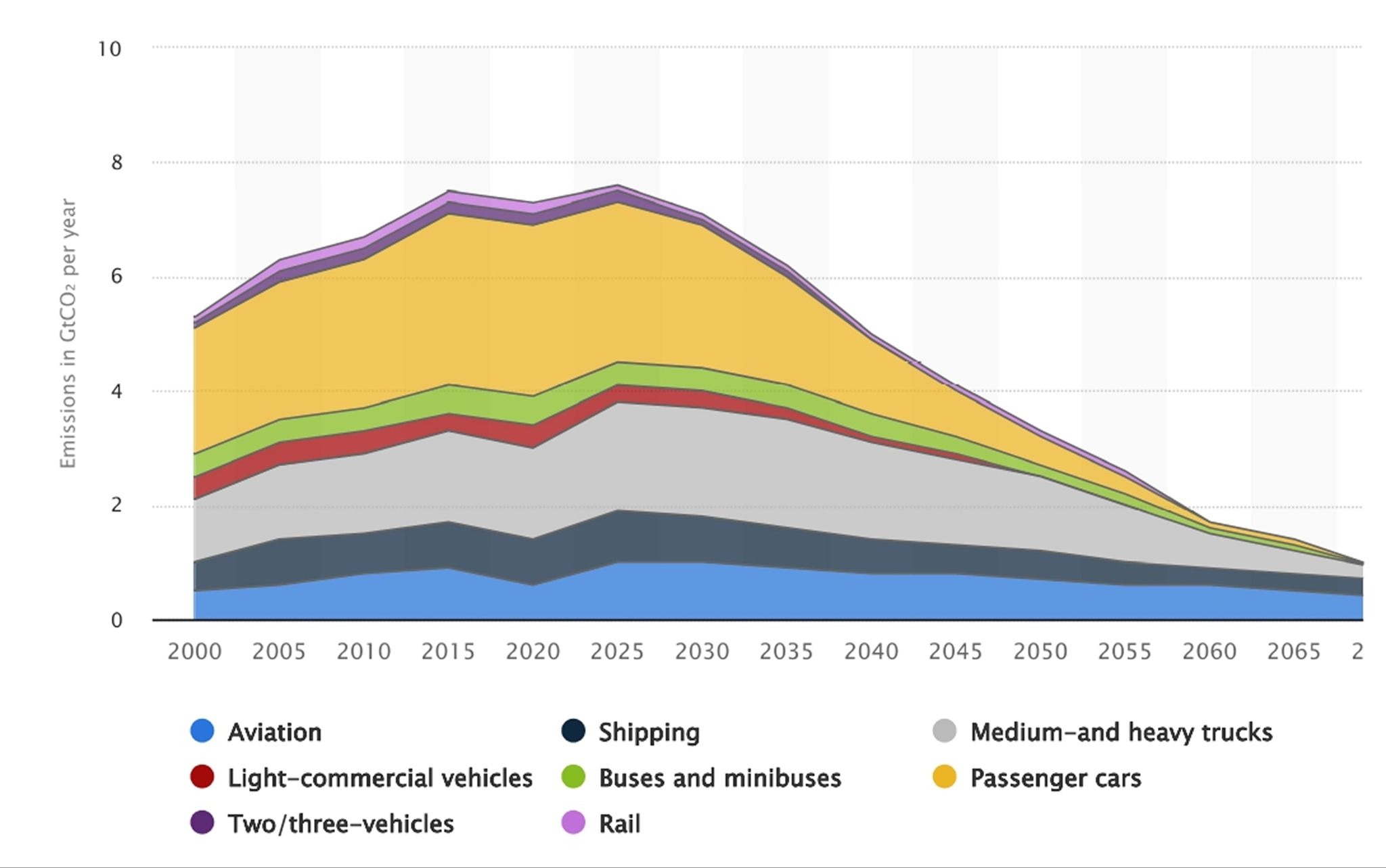
Statista further says that “The delivery car fleet could reach 7.2 million vehicles by the end of this decade, and total emissions caused by parcel and freight shipping are forecast to generate 25 million metric tons of CO2. In addition, the average commute time, including last-mile delivery, is expected to increase from 53 minutes in 2019 to 64 minutes in 2030.”
Key takeaways from this include:
For most brands, sustainability is now a core business requirement. Brands that ignore it risk losing contracts, customers, and competitive advantage fast because cost inefficiencies arising from poor logistics decisions also impact the company’s P&L.
Additionally, opting for eco-friendly eCommerce fulfillment also results in:
With consumer expectations around sustainability changing, green shipping is now a brand differentiator for building brand loyalty and improving conversions. Hence brands must act now and act fast to convert sustainable shipping into a measurable advantage.
| Want to know why sustainable shipping matters in 2026? Click here to read our blog on sustainable shipping |
Sustainable shipping is a premium choice. Many believe this and refrain from adopting environmentally friendly shipping solutions . They think of eco-friendly logistics as something you adopt to increase your brand value, not something that can optimize your operational efficiency.
The reality is quite different. With AI-powered systems optimizing your shipping decisions, how can going green cost you more? Let’s look at a few examples:
The businesses adopting these are not sustainability-first companies. They are operationally focused logistics and fulfillment companies that wanted to optimize for efficiency but found sustainability to be a collateral advantage. So, sustainability is not expensive. It helps protect the environment, making it a better place for future generations while improving the revenue-generation capabilities of the current generation of businesses.
eCommerce carbon emissions are significantly high. While that associated with logistics and shipping is invisible, the packaging used to transport and deliver products contributes to visible carbon emissions.
Some emissions that are not visible but very much present for eCommerce brands include:
All these cause quite a lot of environmental harm and because eCommerce brands have little physical presence, their carbon emissions are mostly Scope 3 emissions. In other words, their emissions are a result of external business entities like shipping and fulfillment service providers, 3PLs etc.
As a brand, your sustainability credentials depend on your supply chain. So, when selecting a good 3PL partner, it is important to evaluate them using certain key sustainability KPIs like:
Once they tick the boxes, it becomes easy to find a shipping and fulfillment service provider that does not compound your Scope 3 emissions.
| See how eShipper's carbon-neutral shipping solution works for your business. Learn More |
There is no denying that these emissions are silently destroying the planet and your brand reputation, making it critical to adopt sustainable practices to reduce your carbon footprint. Here are a few practices you must adopt to reduce your carbon emission without raising your costs.
Take advantage of one of the most effective and underused levers of your supply chain to reduce your carbon footprint. Here we speak about inventory placement. By opting for distributed warehousing you can hold stocks in strategically located fulfillment hubs located near customer concentration. This will reduce last-mile delivery distances, ultimately reducing shipping costs, and last-mile emissions.
Using boxes and mailers perfectly aligned with the shape and size of the product helps reduce material waste. Such customized packaging also lowers the dimensional weight charges and are a sustainable alternative to lowering emissions per parcel.
eCommerce brands can also use recyclable or compostable materials for packaging. This helps eCommerce companies meet sustainable standards established by local and global regulatory authorities like UNEP, IMO, ECCC, CEPA and EEA.
Resorting to bulk packaging and maintaining accuracy in labelling and barcoding further helps optimize eCommerce packaging and lower your carbon footprint.
Carriers come with different operational and functional capabilities. Hence, their emission footprint also differs as do their methods for lowering their emissions. From route optimization to implementing green operational practices across all touchpoints of their transportation network. So, choosing the right 3PL provider is critical to reducing your carbon footprint significantly. Select one that uses a mixed carrier strategy and prioritizes greener options. This will lower a brand’s delivery footprint without affecting speed or reliability.
Sustainable eCommerce fulfillment optimization can also be done through route optimization. Opting for regular trucking and shipping can vastly increase your carbon footprint. By adopting the following route optimization tactics, you can improve your overall profitability irrespective of whether you do the delivery or opt for a 3PL provider. Key route optimizing techniques include:
Batching customer orders to be delivered in the same or nearby areas helps reduce individual delivery trips and per-parcel emissions. Opting for grouped deliveries has an environmental and financial impact that benefits both eCommerce brands and carriers.
None of these changes will create headlines on their own, but when compounded, they will reduce your carbon footprint significantly while improving your profitability.
Managing sales and fulfillment simultaneously is complex, but the right 3PL partner removes that burden entirely, making fulfillment a competitive differentiator in today’s fast-paced digital landscape. To capitalize on this, eCommerce companies can opt to:
Partnering with a 3PL service provider gives you access to their infrastructure, allowing you to incorporate all the three options mentioned above. Their carbon-neutral delivery services help eCommerce brands share their partner’s commitment to sustainability, becoming sustainable and environmentally compliant by association.
Some exclusive benefits that eCommerce brands gain from 3PLs include:
You can “plug in” to enterprise-grade infrastructure for faster deliveries, lower costs, and a smaller environmental footprint, without having to invest millions in warehouses, software, and logistics expertise.
Opting for a tech-enabled 3PL partner will help you analyze your logistics and fulfillment carbon footprint. Such partners continuously monitor their environmental impact and keep upgrading their sustainability strategy. This becomes a major differentiator for eCommerce brands. Analyzing this data provides you with critical insights into their product delivery cycle, allowing them to identify areas that need improvement and made data-driven decisions to reduce its carbon footprint.
With eShipper, sustainable shipping is not a compromise. It is a competitive advantage built into every shipment. As a tech-enabled 3PL service provider, eShipper, offers certain features that help offset your carbon footprint without making too much of an effort. Let’s check out how.
Its multi-carrier platform automatically selects the most appropriate carrier based on your shipment by factoring in distance, weight, mode of transport and the impact of emissions. Every shipment is optimized automatically without any manual intervention through a unified platform.
eShipper’s carrier agnostic carbon-neutral shipping solution helps:
Provisioning a certificate of proof with every shipment that is verifiable and ready for reporting when facing regulatory scrutiny, investor queries, or enterprise buyer mandates. It ensures transparency into carbon impact by tracking emissions per shipment and per order in real time
It is important to note that to date eShipper has successfully offset over 3,746.66 kilograms of CO₂. This marks a significant step towards a greener planet.
Partnering with the right 3PL service provider makes sustainability an easy option to adopt. eCommerce brands don’t have to choose between sustainability and profitability. They can convert sustainability into a commercial advantage by leveraging emerging trends and technologies like automation, renewable energy and circular economy practices.
With consumers preferring brands with a solid sustainability strategy, businesses must continue to prioritize green logistics as a means of meeting customer demands and sustainability goals.
| Ready to reduce your shipping emissions without increasing costs? Explore eShipper's Sustainable Shipping Solutions |
FAQs
Can eCommerce brands reduce carbon emissions without increasing shipping costs?
Yes eCommerce brands can reduce carbon emissions without increasing shipping costs by partnering with a tech-enabled 3PL service provider offering distributed warehousing and strong sustainability strategy. Such a partnership will bring down the shipping costs and reduce carbon emissions by streamlining the delivery process.
How does route optimization help reduce carbon emissions?
Through route optimization, shippers and fulfillment service providers can choose the most effective route based on the distance, weight, mode of transport and the impact of emissions. This helps reduce carbon emissions significantly.
What role does packaging play in sustainable shipping?
Selecting an appropriate packaging based on the size and shape of the products reduces the space occupied. This allows carriers to carry more products in a single batch, thereby reducing carbon emissions. Using eco-friendly materials for packaging of the products further help reduce carbon emissions. This makes shipping more sustainable for eCommerce brands.
How do distributed warehouses support sustainable logistics?
Using distributed warehouses reduces the last mile travel distance for a package. By storing inventory closer to customers, brands ship shorter distances, use fewer zones, and rely less on air freight for speed. This lowers the emissions per order. Further batching multiple orders heading to the same region further reduces fuel consumption and carbon output.
Are carbon-neutral shipping options expensive for online retailers?
This is a myth that needs busting. Carbon-neutral shipping does not lead to higher shipping costs. In most cases, the savings generated through smarter carrier selection, zone skipping, and shipment consolidation far outweigh the offsetting cost. The result is a net reduction in both emissions and overall shipping spend.